
Have you ever been playing a mobile game and suddenly found yourself watching a 30-second ad for another game or app? If you’re wondering why these ads are everywhere, you’re not alone. Mobile game ads are a huge part of the gaming ecosystem—and they’re the reason many games remain free to play.
In this article, we’ll break down how mobile game ads work, why you keep seeing them, and how both developers and players benefit (or sometimes don’t) from them.
1. Why Mobile Game Ads Exist
Most mobile games are free-to-play, which means users can download and play them without paying anything upfront. But game developers still need to make money to cover development, updates, servers, and support.
Enter in-game advertising.
Ads give developers a way to monetize their games without charging players directly. This creates a win-win: players enjoy the game for free, and developers earn revenue through ad views or clicks.
2. The Main Types of Mobile Game Ads
There are several types of ads you’ll typically see in mobile games:
1. Banner Ads
These are small, static ads usually displayed at the top or bottom of the screen. They don’t interrupt gameplay but often offer low revenue per impression.
2. Interstitial Ads
These are full-screen ads that appear between levels or after losing a match. They’re more noticeable but can also be more disruptive.
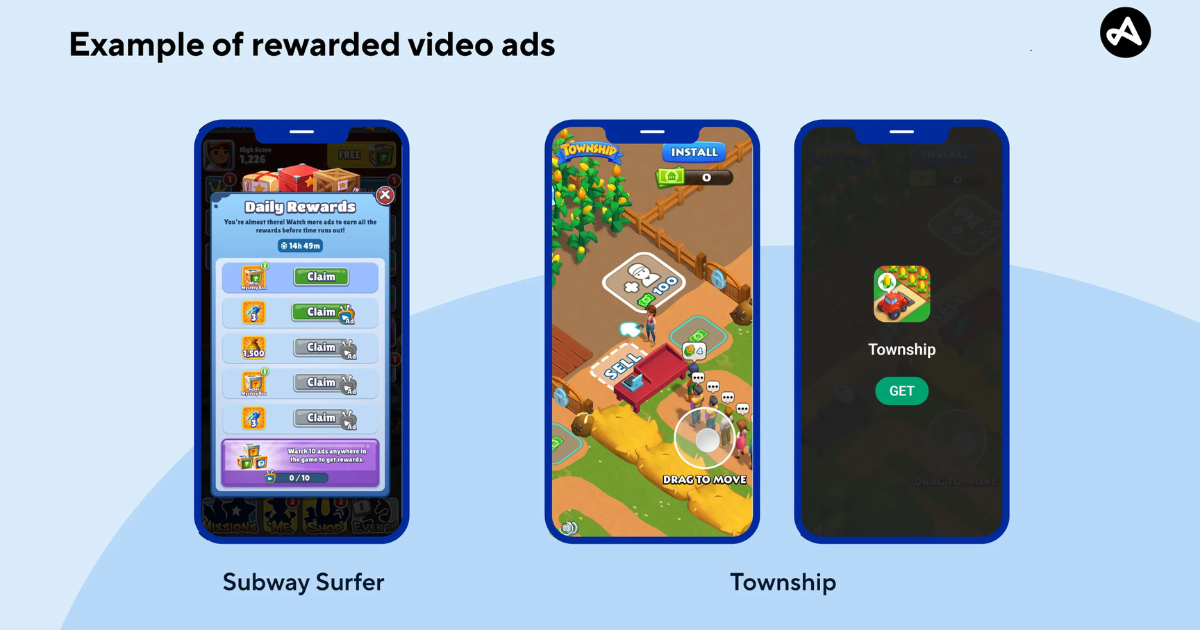
3. Rewarded Video Ads
These are optional ads that players can choose to watch in exchange for in-game rewards (like extra coins, lives, or power-ups). These are popular with players and developers because they offer mutual value.
4. Playable Ads
These interactive ads let users try out another game before downloading it. They’re engaging and often have high conversion rates.
3. How Ads Are Targeted
Ever notice how some ads seem strangely relevant to your interests?
That’s because mobile game ads are often personalized using data from your device, such as:
-
Age and gender (based on your profile or usage)
-
Your location
-
Other apps you’ve installed
-
Games you’ve played recently
Ad networks like Google AdMob, Unity Ads, or AppLovin analyze this data to serve you more relevant ads, increasing the chance you’ll click or engage.
4. How Developers Make Money from Ads
Game developers earn revenue in a few different ways:
-
CPM (Cost Per Mille): Payment per 1,000 ad views.
-
CPC (Cost Per Click): Payment when a user clicks the ad.
-
CPA (Cost Per Action): Payment when a user installs the advertised app or completes a specific action.
Rewarded video ads, in particular, tend to generate higher revenue because they lead to more engagement.
5. Why You Keep Seeing So Many Ads
If you’re seeing a lot of ads in a game, it’s often because:
-
The game is free and relies solely on ads for income.
-
You’ve run out of in-game currency or lives, prompting rewarded ads.
-
The developer is using aggressive monetization tactics.
Some games show fewer ads if you make a small in-app purchase or offer an ad-free version for a one-time fee.
6. Can You Avoid Mobile Game Ads?
Yes, but with trade-offs:
-
In-app purchases: Many games offer an ad-free experience for a fee.
-
Airplane mode: Some offline games won’t show ads if your phone is offline.
-
Premium games: Pay-to-download games usually don’t include ads at all.
Final Thoughts
Mobile game ads are everywhere for a reason—they help keep games free and accessible to millions of players. While some ads can be annoying, many are designed to offer value, especially rewarded ads that give players free items or bonuses.
Understanding how these ads work can help you make smarter decisions about which games you play, which ads you watch, and how you choose to support developers. Next time you see an ad pop up, just remember—it’s part of what keeps mobile gaming free and fun.