
Introduction
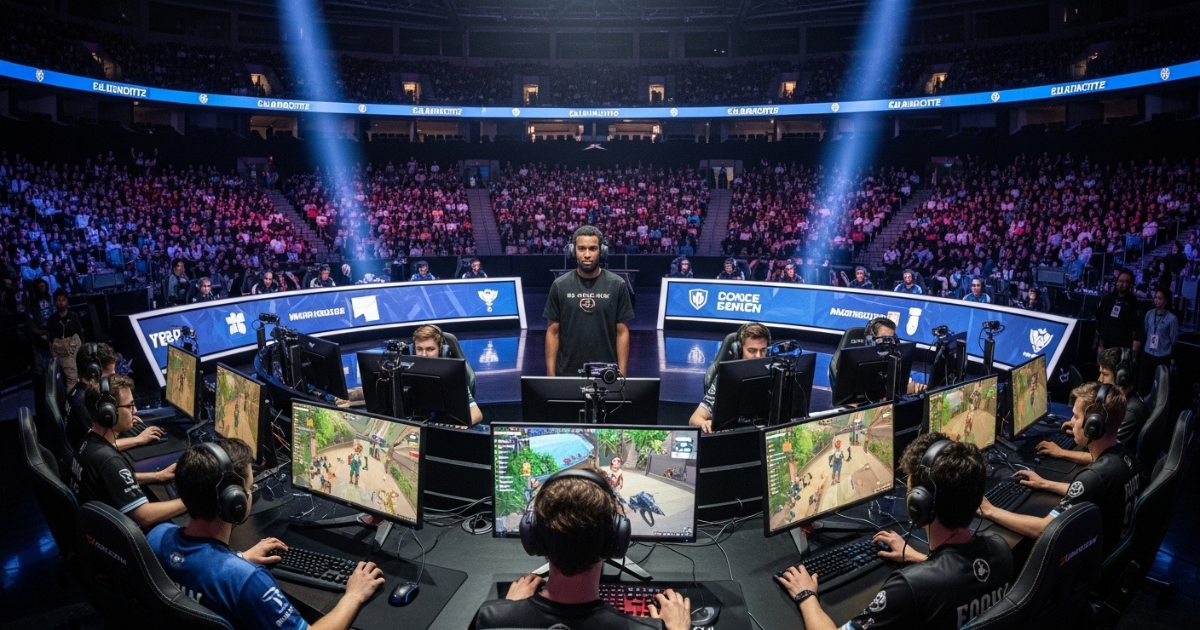
Once upon a time, competitive gaming was something you did in a friend’s basement. Today, it’s a full-blown industry that fills arenas, attracts sponsorships from global brands, and turns skilled players into international celebrities. Esports has exploded into a multi-billion-dollar phenomenon — and it’s showing no signs of slowing down.
So how did gaming go from hobby to global entertainment juggernaut? Let’s break down how esports became one of the most powerful forces in modern pop culture.
The Rise of Competitive Gaming
The roots of esports stretch back to the arcade era. Titles like Street Fighter II and Quake were the early battlegrounds for competitive gamers. But the modern era truly began with StarCraft tournaments in South Korea during the early 2000s. Televised matches, pro teams, and corporate sponsorships made competitive gaming feel like a legitimate sport long before it caught on globally.
Then came League of Legends, Dota 2, and Counter-Strike: Global Offensive. These games took competition to another level, blending strategy, skill, and spectacle. As Twitch and YouTube Gaming took off, millions could now watch their favorite players compete live — no TV required.
The Business Behind the Boom
Esports isn’t just entertainment; it’s serious business. Today, the global esports market is worth over $1.8 billion and growing. Sponsorships, advertising, and media rights account for a massive chunk of that revenue. Major companies like Red Bull, Intel, and Mercedes-Benz are now investing heavily in esports events.
Tournaments like The International (for Dota 2) and League of Legends Worlds offer prize pools that rival traditional sports. The 2019 Fortnite World Cup awarded a staggering $30 million, with 16-year-old Bugha taking home $3 million — instantly becoming a millionaire gamer.
Esports as a Career
What used to be a hobby is now a full-time profession. Pro players train for 8–10 hours a day, analyzing replays, scrimming against rivals, and maintaining peak performance. Teams now have coaches, analysts, and even sports psychologists.
Beyond the players, esports has opened doors for casters, event organizers, content creators, and social media managers. It’s an ecosystem — one that continues to create jobs and opportunities worldwide.
The Global Phenomenon
Esports’ global appeal is undeniable. South Korea remains the cultural home of competitive gaming, but North America, Europe, and China have built massive infrastructures around it. Universities now offer esports scholarships. The Asian Games even included esports as an official medal event.
The combination of digital accessibility and community-driven excitement has made esports a cultural bridge that transcends languages and borders.
What’s Next for Esports?
The next era of esports will focus on mobile platforms and emerging technologies like AR and VR. Titles like Mobile Legends and PUBG Mobile are already dominating viewership in Asia. Expect hybrid tournaments, interactive audience participation, and cross-platform leagues in the near future.
Conclusion
From small LAN parties to sold-out arenas, esports has evolved into a legitimate global sport. The passion, skill, and spectacle are undeniable — and if current trends continue, esports may one day rival traditional sports in every way that matters.